
Everyday Therapy: On the Go Sensory Tools
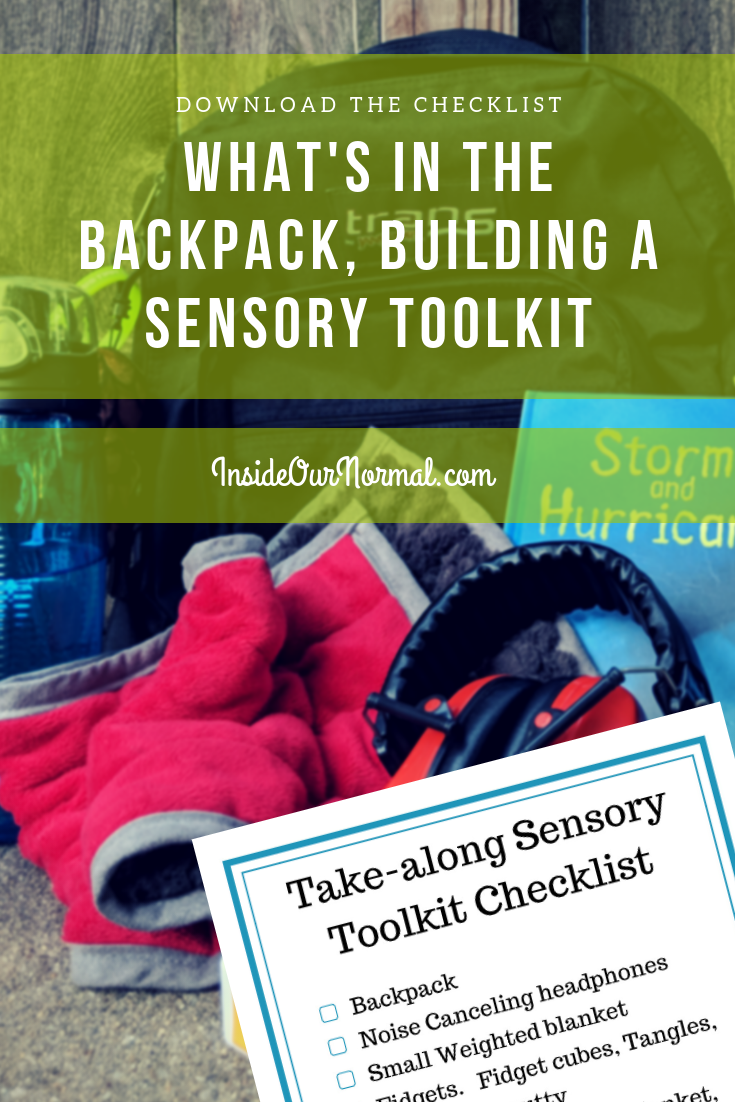
On adventure days our child takes a backpack. It has many of the sensory tools we have found to help them adapt for their sensory challenges. Having tools available to them empowers them to control the situation and learn to stay calm. We are able to make the best of the environments we encounter.

Everyday Therapy: Fine Motor Practice for Elementary Ages
We have participated in years of Occupational Therapy to learn strategies to improve his fine motor skills and found ways to add practice into our lives naturally.
A Conversation with SPED Homeschool
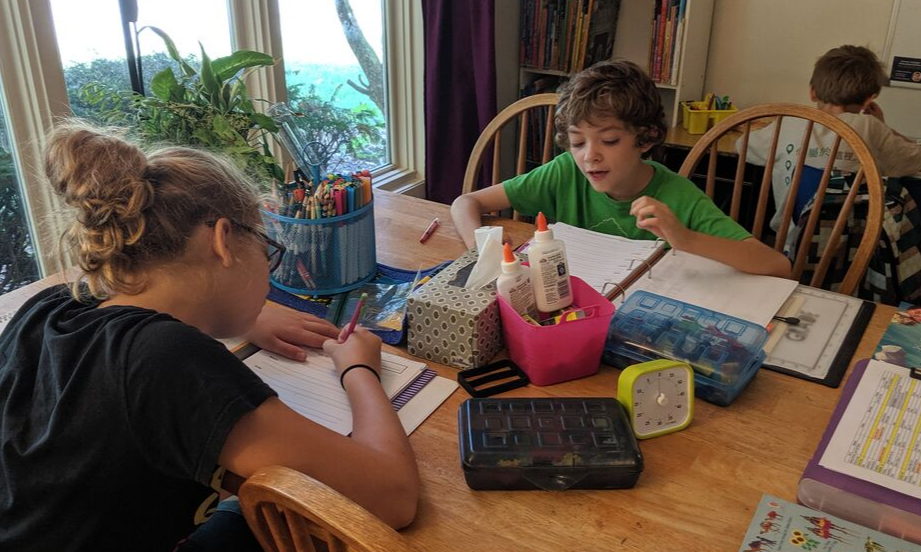
Recently, I sat down with the SPED Homeschool podcast to chat about embracing our Out-of-the-Box life. We talked about why we started our school year in July and slowly added more subjects. This year we are planning our first year as eclectic homeschoolers with no boxed curriculum, as we are constantly changing up our curriculum to fit the needs of each child.
My Top 5: A Special Needs Parenting book list
With summer approaching, I’m making my poolside reading list for professional development. Having an understanding of how our kids’ minds work is so important. Today I’m sharing 5 books on my special needs parenting book list that help me understand my kids better.

We Choose Medication
I still remember the first day we gave him a medication, it was a low dose, but the Doctor said we would see it work right away, it didn’t need time to build a tolerance. That first day he cleaned the room he shared with his brother by himself with no additional reminders. He was actually focused and stayed on task until the end of the project!
Social & Emotional Resources for Elementary Ages
the tools we had developed when they were a preschooler have been outgrown. Their triggers and struggles have changed; they need more support with social skills. They are also now more capable of being responsible for their own reactions.

You CAN Homeschool your Special Needs Student
Getting an IEP for my autistic son was a nightmare, it included a denial and an advocate. His needs don’t show up accurately in the testing environment because he is a good reader and has a great memory. We tried applying a second time after we had his official Autism diagnosis and it was uphill battle because their previous testing showed no need. Eventually we got one only to have it reduced the next year. He was thriving, but he was thriving only because of the IEP accommodations. We knew he would not be able to adjust to a normal classroom environment.

Moms, You Are NOT Failing: Getting Help for Struggling Child
I see you struggling to homeschool your challenging child. I see you struggling to decide if the public school is doing enough for your child. You question if you can give them everything they need to succeed. You question what you are doing wrong to create the challenges you are facing with your child. Let me tell you, Mom, you are doing a great job!

Everyday Therapy: Swing and Trampoline for Sensory Processing Disorder
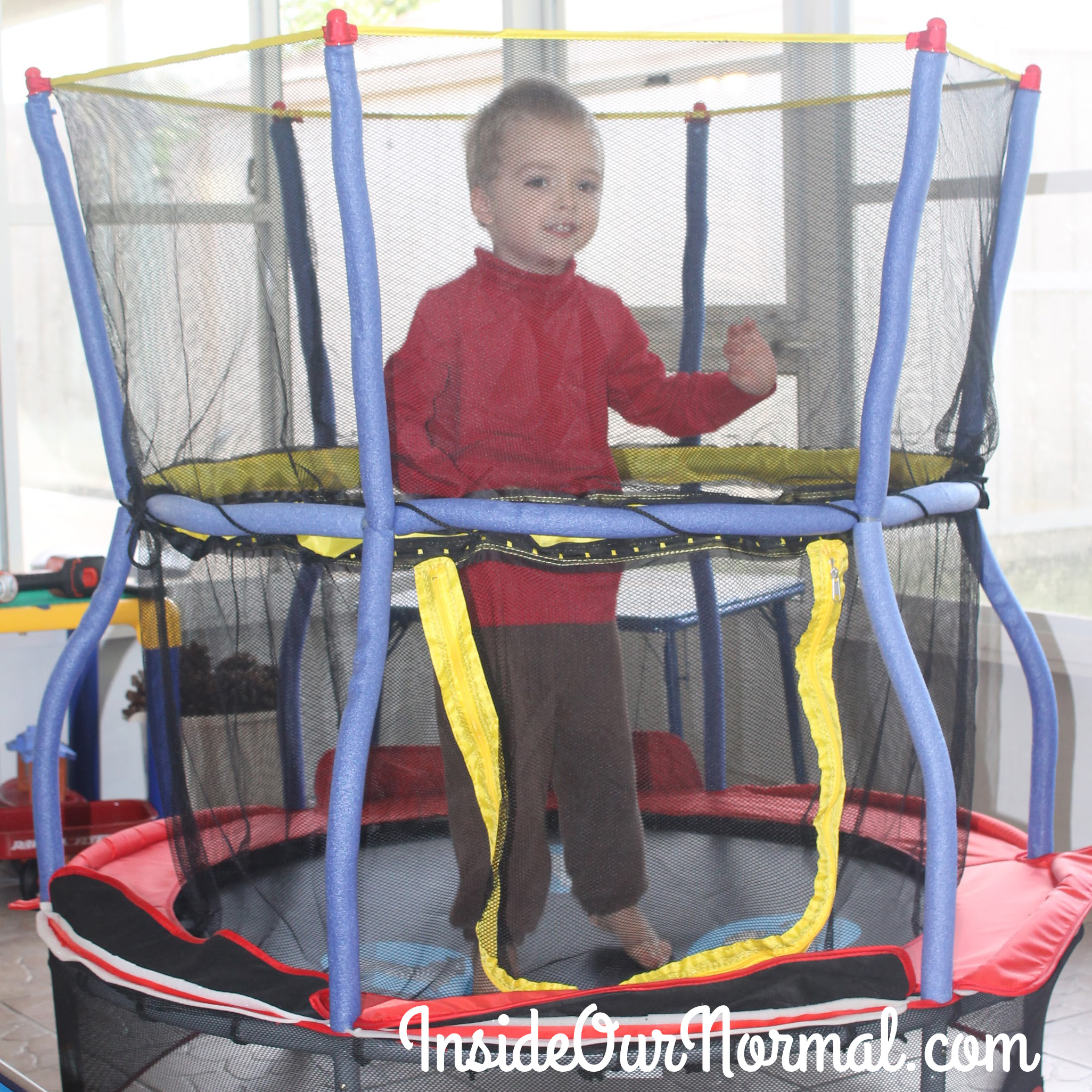
A Sensory Diet is activities we can do at home to help him regulate their atypical need for sensory input. When you see special-needs kids rocking back and forth, banging into things and people, or flapping their hands, those are often signs that the kid is attempting (in socially awkward ways) to get sensory input that their brain is craving but isn’t getting.

Making The Hard Choice for School
One of the hardest parts about parenting an autistic child is that there is no one with all the answers for you. The spectrum is broad and each child is unique. This makes getting advice and plotting the best course for your child’s education unique and difficult. Many families find homeschooling a good fit for their child’s needs while others find success in the public school.


