
4 Tips for Navigating Summer Sensory Triggers for Neurodivergent Kids
Every season brings its own sensory challenges to neurodivergent kids. Summer just might be our family’s favorite season. There are fewer weather surprises, and warm weather clothing is less irritating. As a neurodivergent family who struggles with a range of sensory challenges, summer is when we are the happiest and most regulated. The warm weather makes it easy for us to get outside to meet everyone’s sensory needs. Swimming and outdoor play are great for sensory input.
The change of regular activities can create a routine gap so we create different summer routines to feel CALM.
Shoes, Sandals, or None?
One of the first sensory dilemmas that parents encounter during the summer is the choice of footwear. While sandals or going barefoot may be the popular choice for many children with sensory sensitivities, the feeling of straps, thongs, or textured soles can be uncomfortable for others. The seams, pressure, and textures associated with shoes can cause discomfort and distress.
At our house, going barefoot is a very popular idea. Slide and sport sandals are the popular choice when shoes are required. While we want to accommodate when we can, activities like riding bikes and scooters do have rules about footwear. Covered toes for scooters and no slides, which could slip off for bikes. For a few years, Crocs were popular shoes, with a special appreciation for the wide toe box, but as the kids have gotten older they have decided crocs aren’t breathable and they don’t want hot feet.
Itchy Bug Bites: The Irritating Nemesis
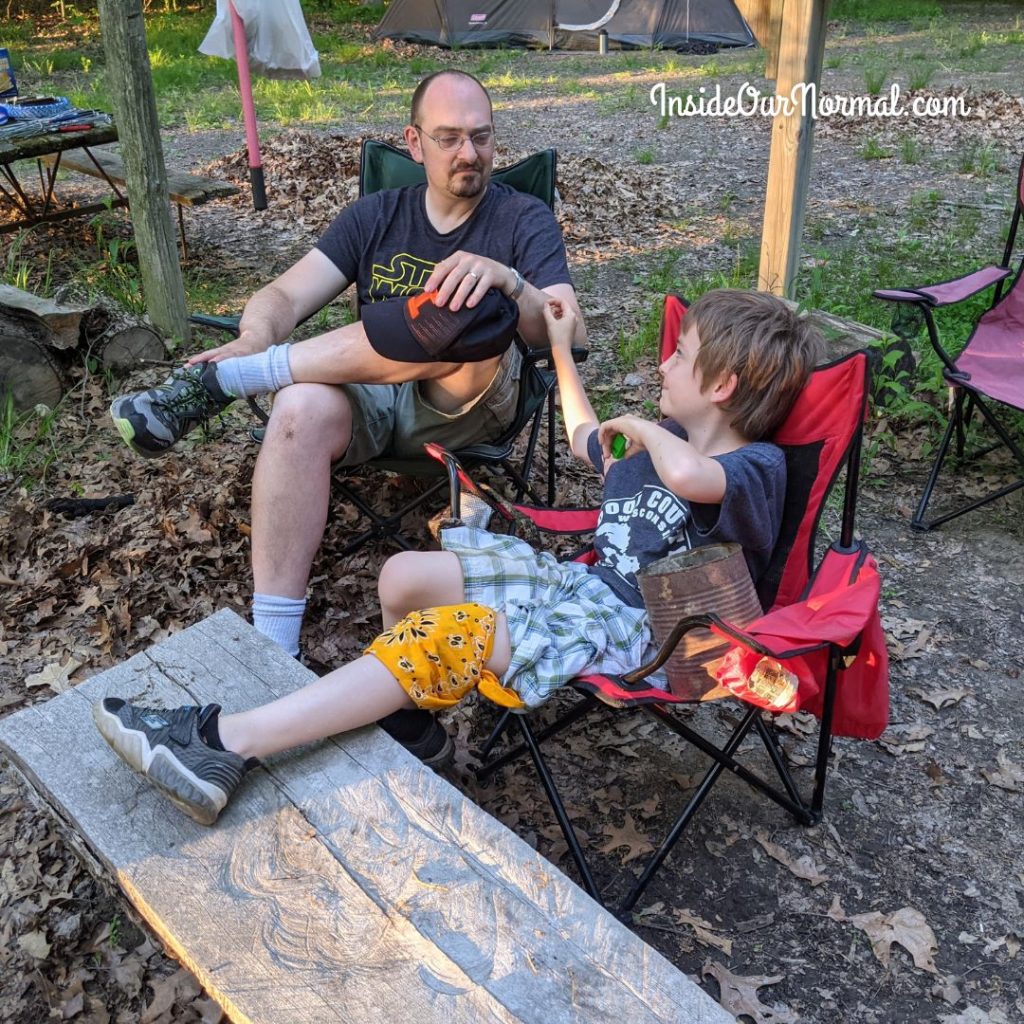
Summertime also brings an unwelcome visitor: bugs! Bug bites can be particularly distressing for children with sensory sensitivities. The sensation of an itchy bite can trigger discomfort, restlessness, and a heightened focus on the irritation. To alleviate this challenge, parents can explore sensory-friendly insect repellents or use lightweight, breathable clothing that covers exposed skin,.
Even as an adult, I can be easily dysregulated by an itchy bug bite in the wrong place. For me the smells and feel of the popular OFF bug spray makes it uncomfortable to use. Recently we have found a great Essential Oil based bug spray that we make each season. It has been very successful at keeping the bugs away and we all enjoy the scent and feel of it. I keep a bottle in the car, camper and house so we always have it when we need it.
Essential Oil Bug Spray
- 3 oz Witch hazel
- 1 T Coconut Oil or other carrier oil
- 15 Drops Terrashield Essential Oil (from Doterra)
- 10 Drops Lemongrass Essential Oil
- 5 Drops Peppermint
- Water to fill the bottle
When we do get bites and need to block the itch, we have found success with a blend of Peppermint, Lavender, and Lemon Essential Oil, which acts as an antihistamine and takes away the itch. It’s a lifesaver!
Water Play as Sensory Therapy
Water play is a quintessential summer activity, offering both fun and sensory benefits. While splashing in the pool, running through sprinklers, or enjoying a day at the beach can be delightful for some children, those with sensory processing challenges might find these activities overwhelming. The sound, touch, and unpredictability of water can be overstimulating. However, with proper preparation and support, water play can become a therapeutic experience.
Water play has been a complicated activity for our family. Different water play activities have different appeals for my own sensory kids. The beach was not a favorite place because the wind was overwhelming to one kid and another kid had a low tolerance for sticky, wet sand.
Splashpads can have unexpected dump buckets and water sprays that kids can manipulate. These can cause unexpected splashing and water in the face, leading to overwhelm; however its also an easy way to cool off, and there is no risk of typical drowning.
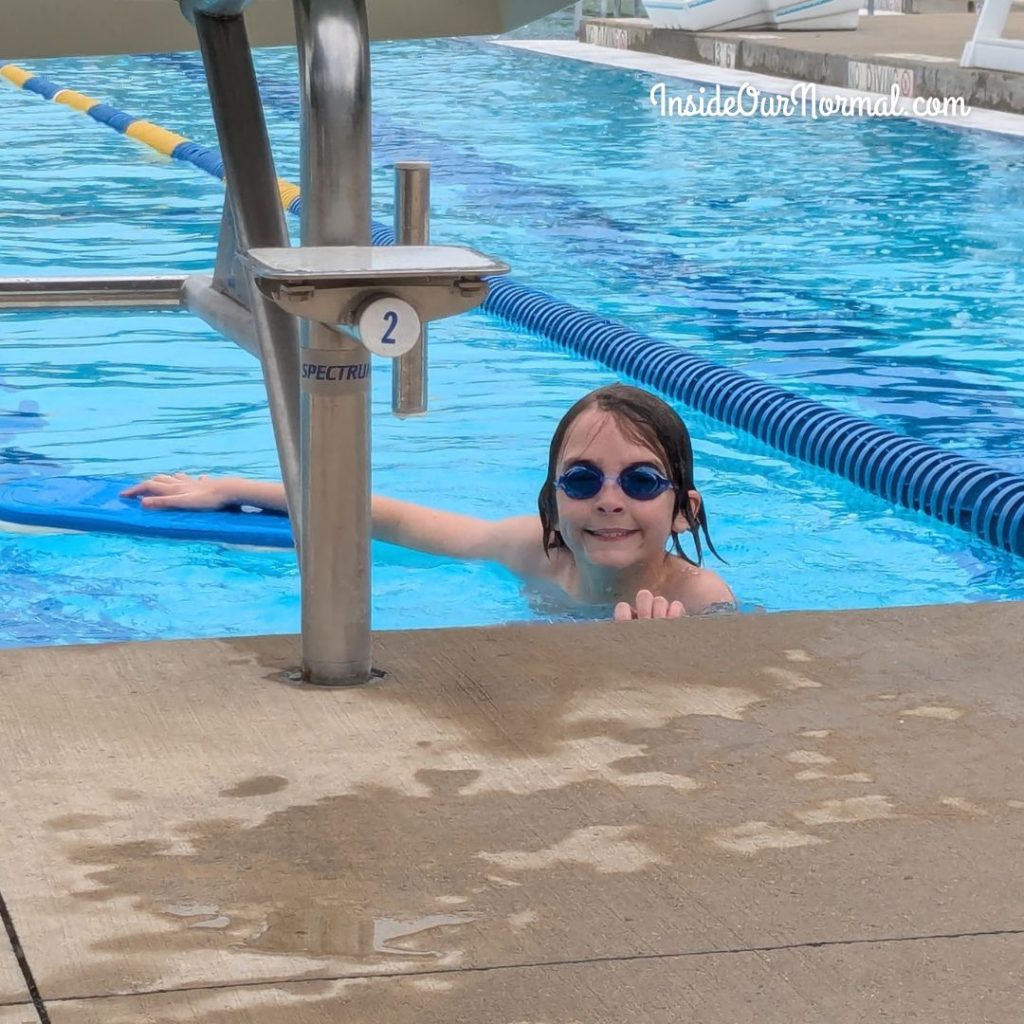
Now that I have teenagers, we have found a new appreciation of water for sensory kids. We have discovered that being on the local swim team has provided deep pressure input in a way nothing else can. After a session of swim lessons provided a new level of calming input we look forward to our rec league swim team each year to provide needed calming input and friends for one of the kids.
Schools Out: The Routine Conundrum
For children who thrive on routine, the absence of a structure during the summer can be both a blessing and a challenge. While a break from the demands of school can provide relief, the lack of a predictable schedule may lead to increased anxiety and difficulties in adjusting. Parents can establish a loose daily routine that balances relaxation, sensory-friendly activities, and structured play. Creating a loose routine or anchors in your summer day can help children maintain a sense of structure and ease the transition into a more flexible summer schedule.
As a family with teens, we no longer homeschool year-round as we did in the early years, but I do work with each child to find projects they are interested in to replace some of the school structure. Having a lighter, more interest-based daily checklist has helped us find special summer rhythms we enjoy as we take a break from the school year.
Conclusion:
As a neurodivergent family, it is crucial to understand and address the unique sensory challenges that arise during the summer season. By embracing a neurodiversity-centered perspective, we can navigate these obstacles with empathy and creativity. Whether it’s finding comfortable footwear alternatives, alleviating the discomfort of bug bites, embracing water play as sensory therapy, or establishing a flexible routine, we can ensure that our children with sensory processing challenges enjoy the summer season to the fullest. Let’s celebrate the diversity of sensory experiences and create a supportive environment where every child can thrive.
Seasonal Sensory Challenge Series
Winter / Fall / Spring / Summer